Featured
Table of Contents
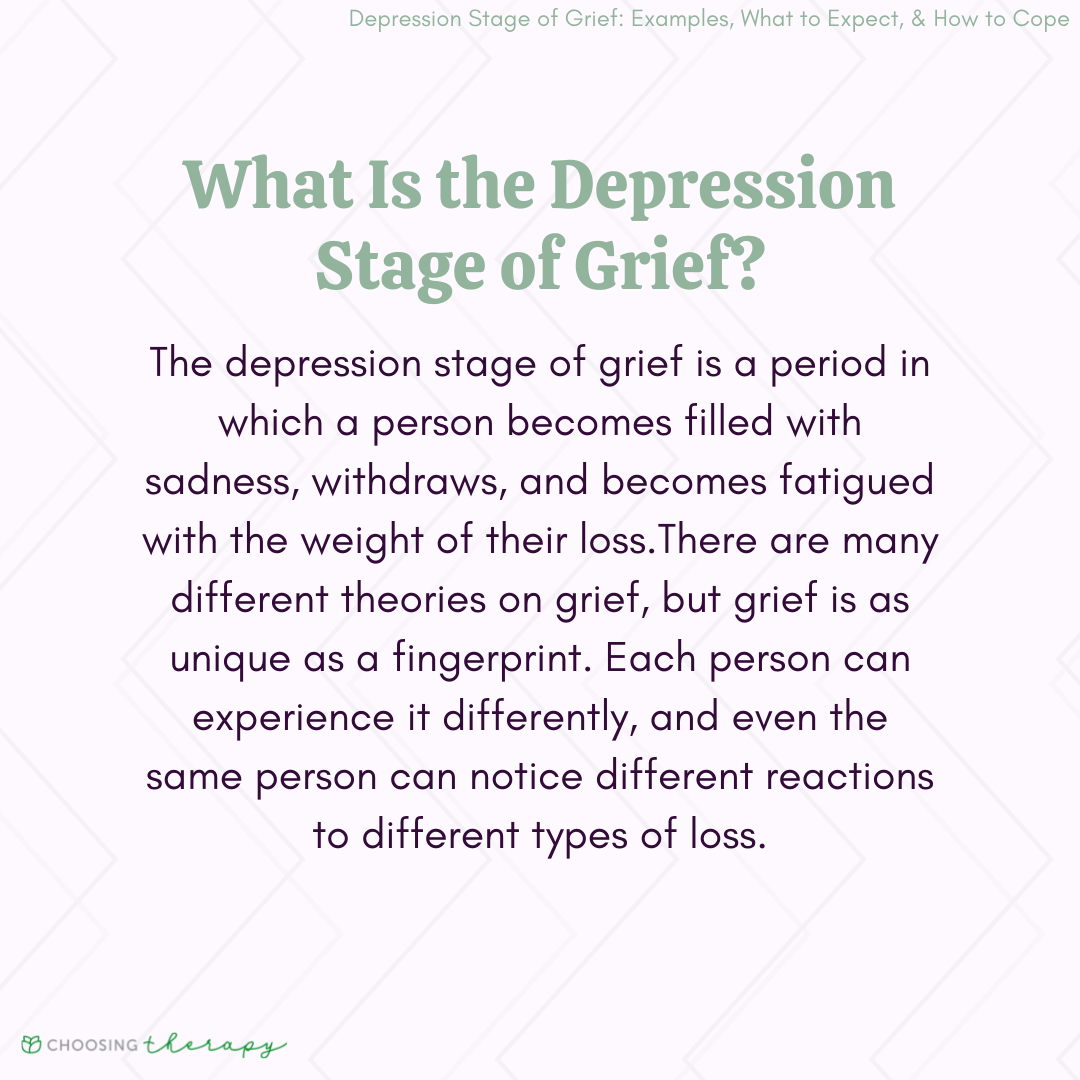
Grief is a difficult procedure that differs from person to individual. The 5 stages of grief denial, rage, bargaining, clinical depression, and acceptance are a handy framework for thinking of sorrow, but it does not indicate we'll go with every stage. We can experience these facets of despair at different times, and they don't happen in one particular order.
This site utilizes cookies to aid personalise web content, tailor your experience and to maintain you logged in if you sign up. By continuing to utilize this site, you are granting our use cookies.
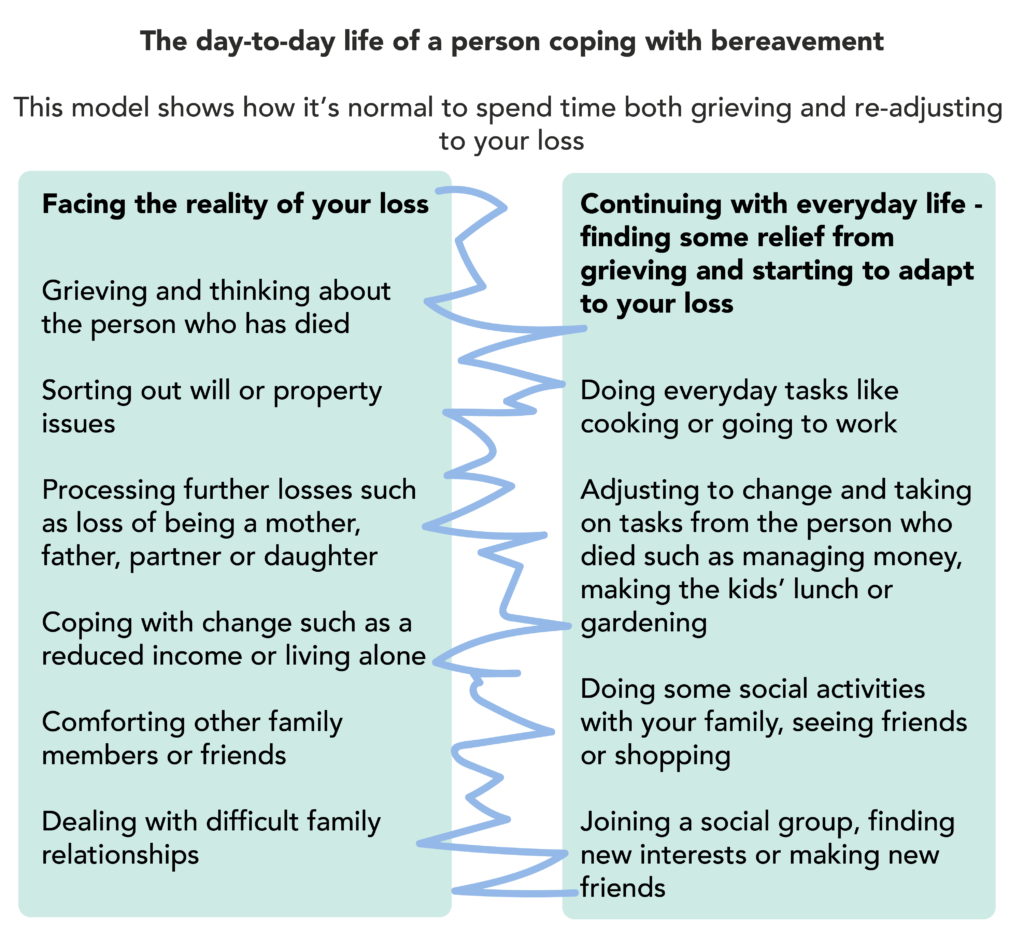
This cyclical structure is meant to assist you much better understand your feelings and is not intended to suggest just how you should grieve, what you must be sensation, or in which order. Each phase may come and go or overlap the others.
If you would love to learn even more regarding your individual mourning process, it's a good idea to reach out to a trusted mental health and wellness expert to understand on your own far better and develop appropriate coping approaches. Discover more concerning the seven phases of pain. Sorrow can be a challenging and messy procedure. When a loss happens, one of the very first things you may experience is shock.
Compartmentalization in Successful Professionals
That's because no one can ever be absolutely prepared for a loss so substantial. Most of the time, this is due to the fact that your body has actually not refined the loss.
These sensations and experiences are self-protective systems that act as a barrier so that you are not overwhelmed simultaneously. Due to the fact that the fatality of an enjoyed one can have such a substantial influence on you, you might experience rejection. Throughout this phase of pain, it is just too tough for your mind to understand that your relative, close friend, or other liked one is gone.
As you gradually begin to accept the loss and what it implies for your life now, your rejection will begin to lessen. You may have a broader variety of sensations and emotions when rejection wears off. Till then, you might have durations when you feel distressed, which can be caused by tips of your liked one.
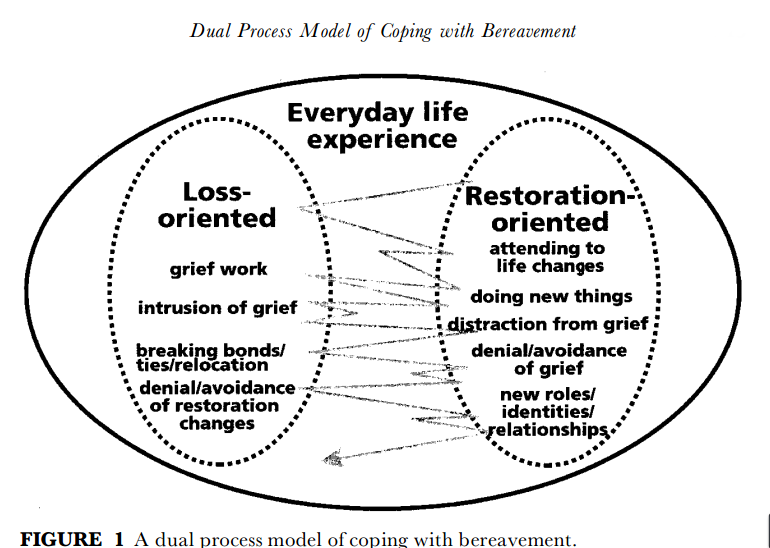
In many cases, it's a regular sensation to intend to avoid others to make sure that you do not have to recognize or discuss your loss. In some cases, you really feel absent-minded, get conveniently distracted, or postpone during this phase of sorrow. You might likewise try to remain busy regularly or closed down mentally.
How Expert IFS / Parts Work Therapy for Healthcare Workers Matters in Los Angeles
In specific circumstances, you could also feel angry with the doctor, your close friends, household members, God, or any kind of other soul(s) you count on. Under all that anger is your discomfort. While it may be unpleasant to handle, it supplies more framework to your mourning than remaining numb.
Throughout this stage, people frequently really feel powerless and hopeless and ask themselves "what happens if" questions. You may feel guilty for refraining even more to keep the loss from taking place or for not spending even more time with the person you shed. During the negotiating phase, it's common to question or state, "I need to have done this ..." or "If I had actually only done that ..." While these sorts of questions are regular, they are not where you desire your idea procedure to stay.
How IFS / Parts Work Therapy Processes Trauma for Developmental Trauma
Rather, try considering any kind of great memories you have with them. Often, just reviewing these thoughts can assist you let go of the guilt. It might additionally be useful to do something particular, like compose a letter to your loved one or talk with them aloud. As soon as you pertain to terms with the fact of the loss, a deeper degree of sadness may start to creep in.
You can also visit for a listing of added sources or call the number below to reach Chemical abuse and Mental Health Services Administration (SAMHSA) hotline. The testing stage of the mourning procedure often includes trying different points that aid you move onward. In this stage, you are beginning to develop your new regular in addition to processing your sensations and emotions developed by the loss.
Reaching the acceptance phase does not mean you are okay with what took place. Rather, this component of the mourning procedure is more concerning approving what your life resembles now. You will certainly still need to listen to your sensations and change, yet you will certainly start to really feel even more wholeeven if it looks various than it did before.

Latest Posts
Emotional Reactivity Regulation in Bipolar Disorder
Lasting Changes of Parent Therapy
Written Output Assessment