Featured
Table of Contents
The 5 stages of pain are rejection, rage, bargaining, anxiety, and approval. Every person experiences grief in different ways, and it is vital to allow individuals to grieve in their very own means. If you or a liked one is taking care of loss, it can be handy to discover even more about the grieving procedure.
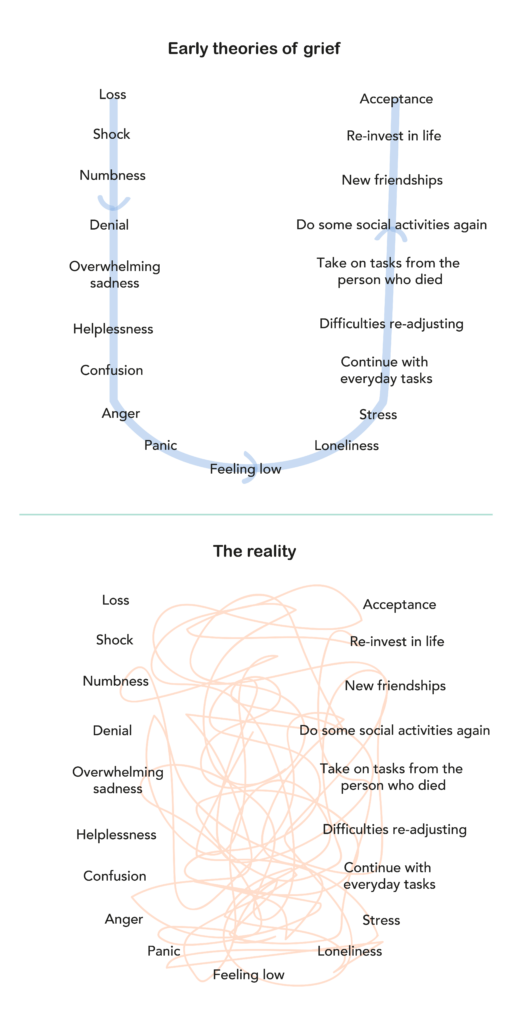
It is very important to keep in mind that the mourning procedure can be complicated, and it isn't the same for everybody. These actions might not be adhered to specifically, or various other feelings might surface after you believed you were through the phases of grieving. Enabling space to experience pain in your own means can aid you recover after loss.
It suggests that we go through 5 distinct phases after the loss of an enjoyed one. These phases are denial, rage, bargaining, anxiety, and ultimately approval.
During this phase in mourning, our truth has shifted entirely. It can take our minds time to adapt to our brand-new truth. We mirror on the experiences we have actually shared with the individual we lost, and we might find ourselves asking yourself exactly how to progress in life without this individual. This is a whole lot of information to check out and a great deal of uncomfortable images to procedure.
Somatic Approaches for Anxiety in Los Angeles
Rejection is not just an effort to pretend that the loss does not exist. We are attempting to change to a brand-new reality and are likely experiencing severe psychological discomfort.
Anger additionally often tends to be the very first thing we really feel when beginning to release emotions associated to loss. This can leave us feeling separated in our experience.
During negotiating, we have a tendency to concentrate on our individual faults or remorses. We might look back at our interactions with the person we are shedding and keep in mind all the times we felt detached or might have triggered them discomfort. It prevails to remember times when we might have said things we did not imply and wish we can go back and act differently.
Throughout our experience of handling sorrow, there comes a time when our creativities calm down and we gradually begin to look at the truth of our present scenario. Bargaining no more feels like an alternative and we are confronted with what is happening. In this stage of grieving, we begin to really feel the loss of our liked one more generously.
Moving from Performance Mode to True Fulfillment
In those minutes, we have a tendency to pull inward as the despair grows. We could discover ourselves retreating, being less sociable, and reaching out much less to others concerning what we are going with. This is a very natural stage in the grieving procedure, dealing with clinical depression after the loss of a liked one can be incredibly separating and one of the most challenging phases.

When we involve a place of approval, it is not that we no much longer feel the pain of loss. Rather, we are no much longer withstanding the reality of our scenario, and we are not battling to make it something various. Unhappiness and regret can still exist in this stage.
There is no specific period for any one of these phases. A single person may experience the phases swiftly, such as in a matter of weeks, whereas one more individual might take months or perhaps years to move via the stages of grieving. Whatever time it takes for you to move with these stages is perfectly regular.
How Elite Performers Deal with Emotional Balance Challenges
You might or may not go through each of these phases or experience them in order. We might also move from one phase to one more and possibly back once again prior to completely relocating into a new phase.
These versions can give higher understanding to individuals who are injuring over the loss of a loved one. They can additionally be used by those in healing occupations, aiding them to provide reliable look after mourning people who are looking for educated guidance. Famous psychologist John Bowlby focused his service looking into the emotional attachment in between parent and youngster.
British psychoanalyst Colin Murray Parkes developed a model of grief based on Bowlby's theory of attachment, recommending there are 4 phases of grieving when experiencing the loss of a loved one:: Loss in this stage feels impossible to approve. Most very closely pertaining to Kbler-Ross's stage of denial, we are overwhelmed when attempting to deal with our emotions.
: As we process loss in this stage of grief, we might start to search for convenience to fill the gap our loved one has left. We could do this by reliving memories with pictures and searching for indicators from the individual to feel connected to them. In this stage, we end up being extremely busied with the individual we have actually shed.
Creating a Future of Balanced Achievement in the Los Angeles Area

The understanding that our loved one is not returning really feels real, and we can have a difficult time recognizing or discovering hope in our future. We may feel a little bit aimless throughout this part of the mourning process and hideaway from others as we refine our pain.: In this phase, we really feel more confident that our hearts and minds can be restored.

Latest Posts
Processing Trauma That Affect Current Life
Managing Identity Concerns Via Dynamic Psychotherapy in Chicago
Understanding Why Teenagers Need Specialized Treatment