Featured
Table of Contents
Injury impacts us in various means. In the short term, it can create psychological responses such as horror, complication, shock, isolation, and dissociation, whereas in the long run, it can impact our behavior, frame of mind, and capability to operate. Injury can additionally put the body in a state of tension and creates physical signs and symptoms such as an auto racing heartbeat, frustrations, nausea or vomiting, digestion difficulties, inadequate sleep quality, and a propensity to stun easily.
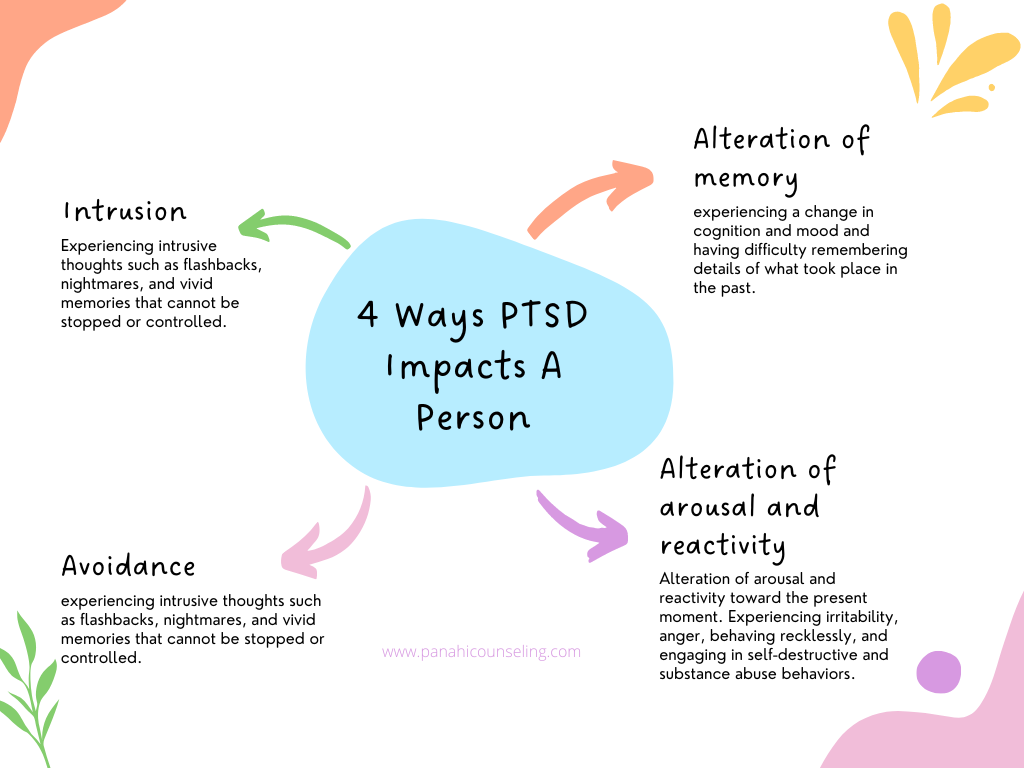
Zackson discusses. This article checks out the signs, creates, diagnosis, and treatment of unsolved injury. These are some of the common signs and symptoms of unresolved trauma, according to Dr. Zackson: Hypervigilance and lack of ability to allow one's guard down Lack of count on and problem opening up to other individuals Dissociation and a consistent feeling of feeling numb Control concerns, to recompense for feeling powerless during the terrible case Reduced self-esteem and feelings of worthlessness Anger issues and difficulty managing emotions High blood pressure and cortisol degrees Rest difficulties, consisting of sleeping disorders and problems Migraines, nausea, sweating, or digestion issues Tightness in the breast or a pit in the stomach Somatic fixation (extreme focus and extreme distress regarding physical signs) Bodily memories that create physical recalls of the sensations, odor, preference, pain, and stress of the traumatic experience Psychological health conditions such as stress and anxiety, clinical depression, material use condition, or post-traumatic stress problem (PTSD) Unsolved injury is an undetectable disease.
Navigating Chronic Anxiety With a Neurodivergent Lens
, it's most likely that it will certainly never be fully resolved. Treatment for unsettled injury begins with developing a risk-free and nurturing atmosphere where the survivor really feels safe enough to process the trauma that has been repressed and pushed into the 'black box'. The medical professional very carefully and safely opens this 'box,' permitting individuals to become aware of their experiences.
Building Sustainable Expectations Matched with True Abilities
There is no details time frame for healing from unresolved trauma. They can look back on their distressing experience and discover that they are stronger than they ever before imagined.
Discover out which choice is the best for you. Verywell Mind uses just top quality resources, including peer-reviewed studies, to sustain the truths within our write-ups.
Health Aff (Millwood). 2019; 38( 10 ):1662 -1669. 2019; 49( 6 ):1041 -1046.
Breaking the Cycle of People-Pleasing and Collapse
2016; 49:79 -91. doi:10.1016/ j.cpr. 2016.09.001 Lancel M, van Marle HJF, Van Veen MM, van Schagen AM. Disrupted rest in PTSD: Thinking beyond nightmares. Front Psychiatry. 2021; 12:767760. doi:10.3389/ fpsyt. 2021.767760 Centers for Illness Control and Avoidance. Caring for your emotional health. Cleveland Clinic. Somatic symptom condition in adults. Gentsch A, Kuehn E. Clinical indications of body memories: The impact of past physical experiences on mental health and wellness.
Behaviorally, individuals may take out from social tasks, avoid particular locations or individuals, and reveal lowered motivation or concentration. Physical signs are additionally common, such as rest disturbancesincluding sleep problems or nightmaresmuscle stress, headaches, or gastrointestinal problems. These physical reactions are part of the body's stress reaction to injury. Cognitively, trauma survivors might create adverse ideas regarding themselves or the globe, such as feeling not worthy or unsafe.
All these signs are signs that injury has impacted the individual's psychological and emotional wellbeing. Acknowledging these indications early and seeking specialist help can assist in reliable therapy and support recovery.
Reconnecting to True Needs
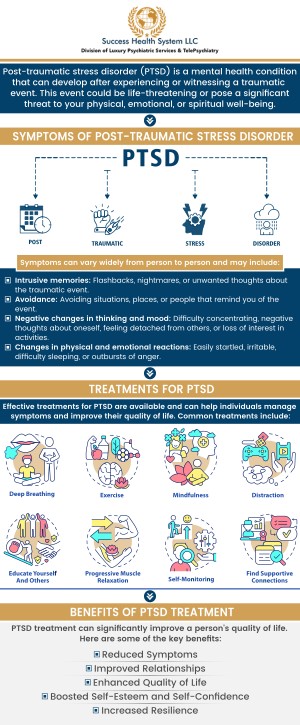
For children and adolescents, trauma-focused CBT (TF-CBT) is specifically adjusted to process distressing memories in a secure and structured way, commonly entailing relative. Another extremely efficient approach is Long term Direct exposure treatment. This approach motivates steady fight of trauma memories and scenarios that remember the distressing event. The objective is to minimize anxiety responses and evasion actions that hinder day-to-day life.
These methods help people reframe adverse thoughts, reduce intrusive memories, and manage psychological reactions better. Dealing with injury's effect on psychological, cognitive, and physical wellness is essential. Treatment intends to bring back a sense of safety and trustboth in oneself and in partnerships with othersby cultivating resilience and personal growth. Component of this healing process is psychoeducation, where people discover about their reactions and create sensible coping abilities.
It's a great question, and one worth discovering deeply. While several of us utilize the words "injury" and "stress and anxiety" as if they suggest the exact same thing in daily conversation, there's actually a lot even more to understand about how injury distinctly affects our mental health and wellness.
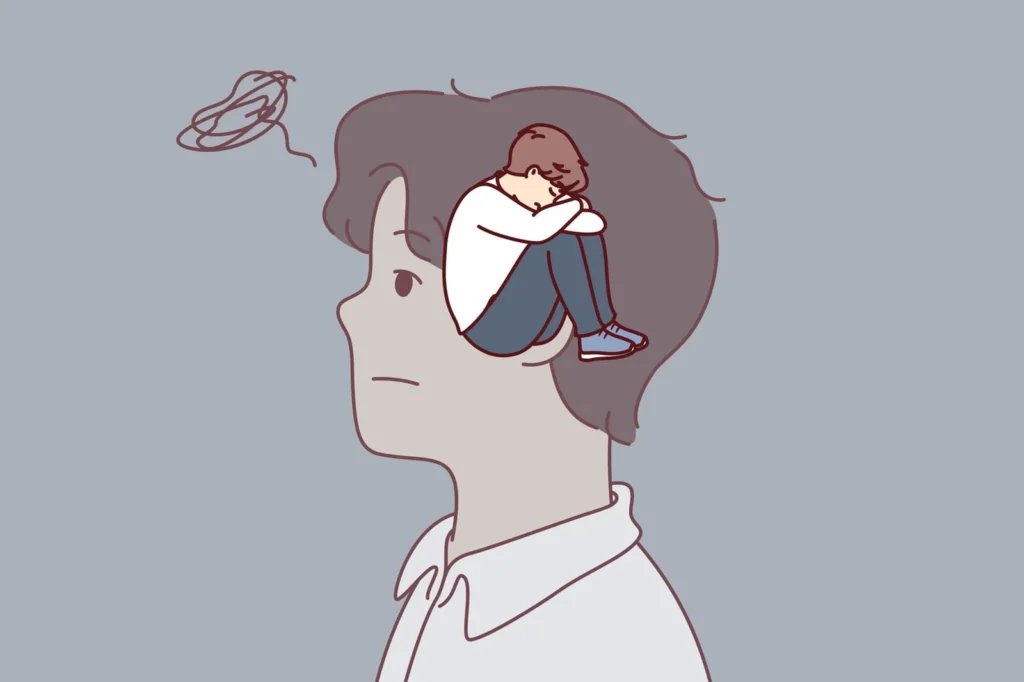
Think about trauma responses as your body and mind's means of protecting you when something happens that really feels also huge to take care of. When we experience something overwhelming or deeply traumatic, our brain kicks right into survival mode. You may have become aware of "fight or flight" however there's additionally "freeze" and "fawn" (people-pleasing). These aren't just abstract principles; they're really real reactions that can appear as soon as possible or often years later on, relying on what you've been with.

Latest Posts
Dialectical Behavior Therapy: Cultivating Behavioral Control for Mental Health
Questions to Ask During Choosing a Counselor
Viewing Perceived Challenges as Neurological Difference